Santa Barbara traffic court handles ticket payments, fine checks, and violation records for drivers who receive citations in the county. Users can pay traffic tickets in Santa Barbara online, by mail, or in person to avoid penalties and added fees. Santa Barbara traffic court allows drivers to pay tickets, review traffic fines, and check violation records through simple and clear options. Many users search for ways to pay traffic ticket Santa Barbara quickly, confirm citation details, and avoid late charges. The court supports online payments for speed, mail-in options for convenience, and in-person services for direct help. Each option helps users manage citation payment without confusion. Drivers can check fine amounts, track payment status, and review violation records using official systems.
Deadlines play a key role in avoiding extra costs and legal trouble. Each citation includes a due date, and missing it can lead to increased traffic fines, license holds, or court action. Early citation payment helps keep records clean and prevents added penalties. Users can verify violation records, confirm updates, and stay informed about their case status. Taking action on time reduces stress and keeps everything under control, especially for repeat violations or unpaid tickets that may create long-term issues. Ignoring notices can result in additional fees or collection actio
What is Santa Barbara Traffic Court System
Santa Barbara traffic court is the division that manages traffic violations, ticket payments, and related cases within the county. It operates under the Superior Court Traffic Division, which handles citations, hearings, and legal outcomes for drivers. The system, associated with Santa Barbara County Court manages traffic cases, citation payments, and violation records across the county. It works under the Superior Court Traffic Division, which oversees how traffic laws are applied and enforced. This system helps drivers resolve tickets, check fines, and respond to legal notices within set timelines. It supports both simple payments and formal hearings. Users looking for broader court structure can explore related court overview pages for more details about departments, roles, and how different case types are handled within the county system.
Role of Santa Barbara Traffic Court
The traffic court division manages each step of a traffic case, from citation entry to final resolution. It reviews tickets issued by law enforcement and assigns actions such as payment, court appearance, or eligibility for traffic school. This division helps drivers stay informed about their case status and deadlines. It keeps records updated and allows users to respond to violations in a timely manner. The court also provides support for extensions and ensures that each case follows proper legal procedures within the Superior Court system.
- Managing traffic citation payments and fines
- Scheduling court hearings for contested tickets
- Maintaining violation records and updates
- Processing traffic school eligibility requests
Types of Cases Handled
Santa Barbara traffic court handles different types of violations, ranging from minor infractions to serious driving offenses. Each case type follows a specific process based on the nature of the violation. Minor cases often involve fines, while serious offenses may require court hearings. This system ensures that all cases are handled fairly and within legal limits. Drivers can check their citation details, understand penalties, and take action based on their case type. The court structure supports consistent handling of all traffic-related matters.
- Speeding and moving violations
- Parking tickets and minor infractions
- Driving without valid license or insurance
- Reckless driving or major traffic offenses
Court Jurisdiction and Traffic Division
Traffic cases in Santa Barbara fall under the Superior Court Traffic Division, which has full authority over violation handling. This division processes citations, schedules hearings, and issues final decisions based on California traffic laws. It ensures that each case follows proper procedures and timelines. Drivers can interact with the court through online systems, mail, or in-person visits based on their needs. The division also maintains official records and updates case status regularly, helping users stay informed and take action without confusion or delay.
How to Search Santa Barbara Traffic Tickets Online
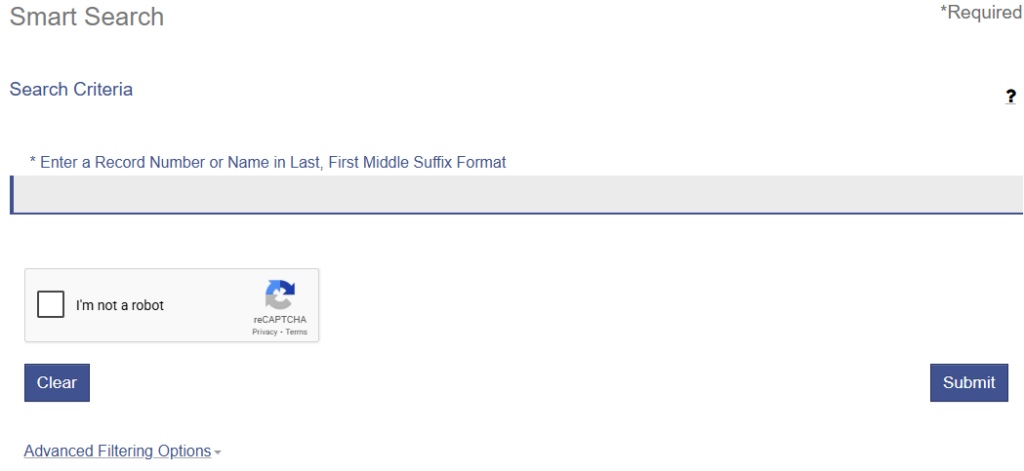
Users can search Santa Barbara traffic tickets by following the official court website’s navigation and using the traffic payment or case search tools. This process allows users to check citation details, review fines, and confirm violation records quickly. Start by opening the official website and moving through the correct menu options to reach the traffic ticket search area. The system is designed to guide users from the homepage to the traffic services section, where ticket lookup and payment options are available. By entering citation details such as ticket number or record number, users can view case status, fine amounts, and related information.
Steps to Search Traffic Tickets Online
- Open the official website: https://www.santabarbara.courts.ca.gov/
- From the homepage menu, select “Divisions”
- Under Divisions, click “Traffic”
- On the Traffic page, select “Pay Your Traffic Ticket Online”
- Click the “Smart Search” or case search option
- Enter your citation number, ticket number, or record number
- Submit the details to view your ticket information
- Review the displayed results including violation details, fines, and payment status
Types of Traffic Tickets and Violations
Traffic violations in Santa Barbara include different categories such as moving, non-moving, and serious offenses, each carrying specific penalties and legal consequences. Understanding these categories helps users review citations, check fines, and respond to tickets properly. Traffic violations Santa Barbara are grouped based on severity and type of offense. Some violations affect driving behavior, while others relate to vehicle compliance or legal status. Each category may involve different penalties, court requirements, or payment options. Knowing the difference between infractions, minor tickets, and serious offenses helps drivers identify what action to take after receiving a citation.
Moving Violations
Moving violations involve actions that occur while a vehicle is in motion and often relate to unsafe driving behavior. These violations can impact road safety and may result in fines, points on a driving record, or required court appearances. Common examples include speeding, unsafe lane changes, and reckless driving. Such offenses are taken seriously because they increase the risk of accidents and endanger other road users. Drivers cited for moving violations may need to pay fines, attend traffic school if eligible, or appear before the court depending on the severity of the case.
- Speeding above posted limits
- Reckless or aggressive driving
- Running red lights or stop signs
- Improper lane changes or failure to yield
Non-Moving Violations
Non-moving violations are typically related to vehicle conditions or parking rather than driving behavior. These tickets are often issued when a vehicle is parked illegally or fails to meet certain equipment standards. Common examples include expired registration, broken lights, or parking in restricted zones. While these infractions may not directly affect driving records in the same way as moving violations, they still carry penalties and must be resolved within the given deadline. Failure to address these tickets can lead to additional fines or enforcement actions.
- Parking in no-parking zones
- Expired registration tags
- Broken or malfunctioning vehicle lights
- Improper parking in restricted areas
Serious Offenses
Serious traffic offenses involve major violations that can lead to strict legal consequences, higher penalties, or even criminal charges. These include driving under the influence (DUI), driving without a valid license, or repeated offenses that show disregard for traffic laws. Such cases often require court appearances and may involve license suspension, heavy fines, or other legal actions. The court evaluates these offenses carefully, and outcomes depend on the circumstances and prior record of the driver. Immediate attention is necessary when dealing with these types of violations.
- Driving under the influence (DUI)
- Driving without a valid license
- Repeat or habitual traffic offenses
- Hit-and-run or other major violations
How to Pay a Traffic Ticket & Fines and Penalties
Users can pay traffic ticket Santa Barbara citations through multiple official methods after reviewing the total traffic fines Santa Barbara system applies. Payments usually include a base fine plus added surcharges and fees depending on the violation and timing. If a traffic citation is received in Santa Barbara, users can choose from several court-approved payment options. The total amount often combines base fines, penalty fees, and administrative surcharges. Late payments may increase the final cost. Reviewing citation details first helps users understand the exact amount before selecting a payment method. Within the overall process handled by santa barbara superior court users are guided through structured steps that help ensure payments are processed accurately and on time, while maintaining proper record handling across the system.
Payment Methods for Traffic Tickets
Traffic ticket payments can be completed through online, mail, or in-person methods depending on user preference and convenience. Each option allows users to resolve their citation and avoid further penalties. The online method is the fastest, while mail and in-person options are useful for those who prefer traditional processes or need assistance.
Pay Traffic Ticket Online
- Visit the official Santa Barbara court website
- Navigate to traffic or online services section
- Enter citation number or case details
- Review ticket information and fine amount
- Proceed with secure online payment
Pay by Mail
- Prepare a check or money order payable to the court
- Include citation number and personal details
- Send payment to the address listed on the ticket
- Allow enough time for delivery and processing
Pay in Person
- Visit the traffic court office during business hours
- Bring citation or case number for reference
- Carry accepted payment methods (cash, card, or check)
- Request and keep a payment receipt for records
Traffic Ticket Fines and Payment Amounts
Traffic fines Santa Barbara are determined by multiple factors, and the total amount varies based on violation type and additional charges. Each ticket includes a base fine, but the final cost often increases due to added fees and surcharges. Serious violations may carry higher penalties compared to minor infractions. Total payment amounts can differ significantly between cases. For minor infractions, fines may remain relatively low, while more serious violations can lead to higher costs and additional consequences. Reviewing the citation carefully helps users understand all charges before making a payment.
| Component Type | Description |
|---|---|
| Base Fine | Initial amount based on violation type |
| Court Fees | Administrative and processing charges |
| State/Local Surcharges | Mandatory penalty assessments added by authorities |
| Late Penalties | Additional charges if payment is not made by the due date |
| Total Cost | Combined amount of all fees and fines |
What Happens If You Don’t Pay a Traffic Ticket
Unpaid traffic ticket consequences in Santa Barbara can include increased fines, license suspension, and possible court actions. Ignoring a citation may also lead to additional penalties and long-term record issues. When a traffic ticket remains unpaid, the case does not close automatically. The court may escalate the matter by adding late fees, reporting the violation, or taking enforcement steps. Over time, unpaid citations can create complications that affect driving privileges and legal standing. Users should address tickets within the given deadline to avoid these outcomes and keep their records in good condition.
Legal Consequences
Failure to pay a traffic ticket can trigger legal actions by the court. The citation may be marked as delinquent, which can lead to additional penalties and court notices. In some cases, the court may require a mandatory appearance or issue further enforcement measures. Repeated non-payment can increase the severity of the case and reduce available options for resolution.
- Late penalty charges added to original fine
- Case marked as delinquent or unresolved
- Possible requirement to appear in court
- Escalation to collection or enforcement actions
DMV Impact
Unpaid traffic tickets may be reported to the Department of Motor Vehicles. This can result in a hold on the driver’s license, preventing renewal or renewal processing until the citation is resolved. In some situations, continued non-payment may lead to license suspension. This affects the ability to legally drive and may also appear on driving records, impacting future verification or insurance checks.
- License renewal holds placed by DMV
- Possible suspension of driving privileges
- Record flagged for unresolved citation
- Restrictions until ticket is cleared or paid
Credit Implications
In certain cases, unpaid traffic tickets may be sent to collection agencies. Once this happens, the debt could appear on financial records and potentially affect credit reports. Collection activity may also lead to additional fees and repeated contact regarding the unpaid balance. Resolving the ticket early helps avoid these financial complications and prevents escalation into collection status.
- Referral to collection agencies
- Possible impact on credit reports
- Additional collection fees added
- Ongoing notices and payment requests from collectors
Traffic School, Point System, and Payment Issues
Traffic school Santa Barbara options allow eligible drivers to manage violations while understanding how traffic violations affect driving records and DMV points. Traffic payment issues may also arise, including errors, corrections, or refund-related concerns that require court assistance. After receiving a citation, drivers often focus on how it impacts their record and whether traffic school is available. The point system tracks violations reported to the DMV, and accumulating points can influence insurance rates and driving privileges. At the same time, users may face traffic payment issues such as incorrect charges, duplicate transactions, or citation errors. Understanding both traffic school eligibility and payment correction options helps drivers resolve cases properly and maintain accurate records.
Traffic School and the Point System
Traffic violations can add DMV points to a driver’s record, depending on the severity of the offense. These points may affect insurance premiums and long-term driving status. Minor infractions typically carry fewer points, while serious violations can have a stronger impact on the record. Insurance providers may review driving history when calculating premiums, and repeated violations can lead to additional scrutiny.
- Minor violations may add limited points to driving records
- Serious violations may carry higher point values
- Insurance companies may review violation history
- Accumulated points can affect driving privileges over time
When Traffic School Helps
Traffic school Santa Barbara programs provide an option for eligible drivers to keep a violation from appearing on their public driving record. This can help prevent DMV points from being reported and reduce long-term impact. Eligibility usually depends on the type of violation and prior participation in traffic school within a specific timeframe. Completion must be done before the court deadline to qualify for benefits.
- Available for eligible minor traffic violations
- Helps mask violations from DMV driving records
- Prevents points from being added to record
- Typically allowed once within a defined period
- Must be completed before court deadline
Refunds, Corrections, and Payment Issues
Traffic payment issues may occur during or after the payment process. These can include incorrect amounts, duplicate transactions, or errors in citation details. In such cases, drivers should contact the traffic court for assistance and provide relevant documentation. The court may review the issue and determine whether a correction or refund applies based on the situation.
- Incorrect payment amounts entered or processed
- Duplicate or failed payment transactions
- Errors in citation or personal details
- Need for citation corrections or updates
What You Can Do
When payment or citation issues arise, users should take prompt action to resolve them. Keeping records such as receipts, confirmation numbers, and citation details helps support any correction or refund request. The traffic court can review the case and provide guidance on next steps. Acting quickly reduces delays and ensures that records remain accurate.
- Contact the traffic court for payment-related assistance
- Request corrections for inaccurate citation details
- Review refund policies for overpayments or duplicates
- Keep receipts and confirmation numbers for verification
Contact Information and Court Locations
Santa Barbara traffic court contact details include official court addresses, phone numbers, and office hours for handling citations, payments, and case inquiries. Users can reach the court for assistance with traffic tickets, violation records, and payment-related questions. The Santa Barbara traffic court contact information is provided through the Superior Court system, which manages traffic cases and related services. Drivers may need to contact the court for citation lookup help, payment confirmation, hearing schedules, or corrections to case details. Visiting the courthouse in person or calling during office hours allows users to get direct assistance from court staff. Below are the main ways to reach the traffic court and locate its offices.
Court Location
- Address: 1100 Anacapa Street, Santa Barbara, CA 93101
- Office Hours: Typically Monday to Friday, 8:00 AM – 4:00 PM
Contact Details
- Official Website: https://www.santabarbara.courts.ca.gov/
- Main Phone Number: (805) 882-4520
- Traffic Division Phone: Available through the main court contact line
- General Email/Inquiry: Listed on the official website contact page
Frequently Asked Questions
Santa Barbara traffic ticket FAQ sections help users find quick answers about citation payment, deadlines, and violation-related concerns. These common questions provide citation help and clarify how traffic tickets are handled in the Santa Barbara court system. Users often rely on this section to avoid confusion and quickly understand their options after receiving a ticket. It also helps clarify basic procedures before taking action. Clear answers reduce delays and support better decision-making. Many drivers check FAQs before searching their citation or making a payment. This section also improves confidence when handling court-related tasks.
How long do I have to pay?
Most traffic citations include a due date ranging from about 21 to 30 days from the issue date. The exact deadline is printed on the ticket. Paying within this period helps avoid late penalties, additional fees, or further court action. Users should always check their citation for the exact due date and act before it passes. Missing the deadline can limit available options and increase the total amount owed. In some cases, reminders may be issued, but responsibility remains with the driver. Acting early also helps avoid unnecessary stress and complications with the case. Timely payment keeps the case in good standing.
Can I reduce my fine?
In some cases, drivers may qualify for traffic school or other options that can help manage the impact of a violation. While the base fine may still apply, completing traffic school can prevent points from being added to the driving record. Eligibility depends on the type of violation and prior participation in traffic school within a specified timeframe. Some courts may also allow alternative resolutions depending on the case. Reviewing eligibility early gives users more time to complete requirements. This can help minimize long-term effects on driving records and insurance. It also supports better compliance with court requirements.
What if I lost my ticket?
If a citation is lost, users can still retrieve details using the court’s case search or citation lookup system. Searching by name, driver’s license number, or other personal details may help locate the record. Contacting the court clerk is another option for assistance in recovering citation information. The court may ask for identifying details to verify the record before sharing information. Keeping personal information ready can speed up the process. Once found, users can review fines, deadlines, and payment options as usual. This ensures the case is handled without missing important dates.
Can I pay without a citation number?
Yes, payment may still be possible without a citation number by using alternative search details such as name and date of birth or driver’s license number. However, having the citation number makes the process faster and more accurate. The court’s online system allows multiple search methods to help locate the correct record. If search results do not appear, users can adjust input details or contact the court for help. Providing accurate personal information improves the chances of finding the correct citation. This ensures payments are applied to the right case without errors. It also reduces the risk of misapplied payments.
Will it affect insurance?
Traffic violations can affect insurance rates depending on the type and severity of the offense. Many insurance providers review driving records and may adjust premiums based on points or violations. Minor infractions may have limited impact, while serious violations can lead to higher premiums or policy changes. Insurance companies often evaluate patterns of behavior over time rather than a single incident. Maintaining a clean driving record helps keep insurance costs stable. Completing traffic school, when eligible, may reduce the visibility of certain violations on the record. This can help minimize long-term insurance impacts and maintain favorable rates.