Santa Barbara Superior Court refers to the main trial court serving Santa Barbara County and operates as part of the California court system. The Santa Barbara Superior Court handles a wide range of legal matters at the county level, including civil disputes, criminal proceedings, family law filings, probate issues, and small claims. It functions as a key component of the judicial system overview in California, where trial courts manage case filings, hearings, and evidence review before any appeal process. The court serves the public, attorneys, litigants, and government agencies who rely on county court services for legal resolution, record maintenance, and procedural filings. Its operations support the local legal structure by applying state laws and maintaining consistency in case handling across different types of matters.
Within the broader court system in California, the Superior Court in Santa Barbara County plays a central role in local governance by resolving disputes and maintaining official court records. It acts as the first level where most cases begin, and its decisions may be reviewed by higher courts such as the Courts of Appeal and the California Supreme Court. This trial court system allows disputes to be heard, evaluated, and decided based on presented facts and applicable law. Residents use the court for matters like divorce, custody, traffic violations, and property disputes, while attorneys represent clients through formal filings and hearings. By managing superior court records and overseeing a variety of legal processes, the court contributes to order, accountability, and public access to justice within the county.
What is Court Structure in California
The court structure in California follows a clear judicial hierarchy that organizes how cases are handled and reviewed across different levels. The system includes trial courts, appellate courts, and the California Supreme Court, each serving a distinct role within the judicial system overview. Trial courts handle initial case filings and fact-finding, while higher courts review decisions for legal accuracy. Within this framework Santa Barbara County Court plays a key role as a trial-level court that processes local civil, criminal, family, and probate matters. This structure supports consistency in rulings and allows cases to move through different levels if appeals are filed.
California Court Hierarchy
The Santa Barbara Superior Court operates within the trial court level. These courts manage civil, criminal, family law, and probate cases at the county level. They form the foundation of the California judicial system by resolving disputes before any appeal process begins. The California court system is divided into three main levels that form the judicial hierarchy:
- Trial Courts: Handle initial hearings, evidence review, and verdicts
- Courts of Appeal: Review decisions from trial courts for legal errors
- California Supreme Court: Serves as the highest authority for legal interpretation in the state
Position of Superior Courts in the System
Superior Courts act as the primary trial courts in California’s court structure. Each county has its own superior court, including the Santa Barbara Superior Court, which serves local residents and organizations. These courts handle the first stage of most legal matters, where evidence is presented, witnesses may testify, and judges or juries reach decisions. Because superior courts are trial courts, they do not review decisions from other courts. Instead, they create the initial rulings that may later be challenged through appeals. Their role is central in establishing case records, issuing judgments, and maintaining official documentation used throughout the legal process.
Relationship Between Trial Courts and Appellate Courts
Trial courts and appellate courts serve different functions within California’s judicial system. Trial courts focus on facts, while appellate courts focus on law. Once a trial court issues a decision, a party may file an appeal if they believe a legal error occurred during the process. Appellate courts do not retry cases or hear new evidence. Instead, they review transcripts, filings, and legal arguments from the trial court. Their role is to determine whether the law was applied correctly and whether procedures were followed properly.
Superior Court vs Court of Appeal vs Supreme Court
This structure ensures a consistent review process, where each level serves a distinct role within the judicial hierarchy.
- Superior Courts handle fact-finding and trials
- Courts of Appeal review decisions for correctness in law
- California Supreme Court sets final statewide legal interpretation
| Level | Role | Function | Case Type |
|---|---|---|---|
| Superior Court | Trial court | Hears cases, evaluates evidence, issues initial rulings | Civil, criminal, family, probate |
| Court of Appeal | Intermediate appellate court | Reviews trial court decisions for legal errors | Appeals from superior courts |
| California Supreme Court | Highest court | Interprets law and reviews selected appeals | Constitutional and significant legal issues |
How to Search Santa Barbara Superior Court Cases
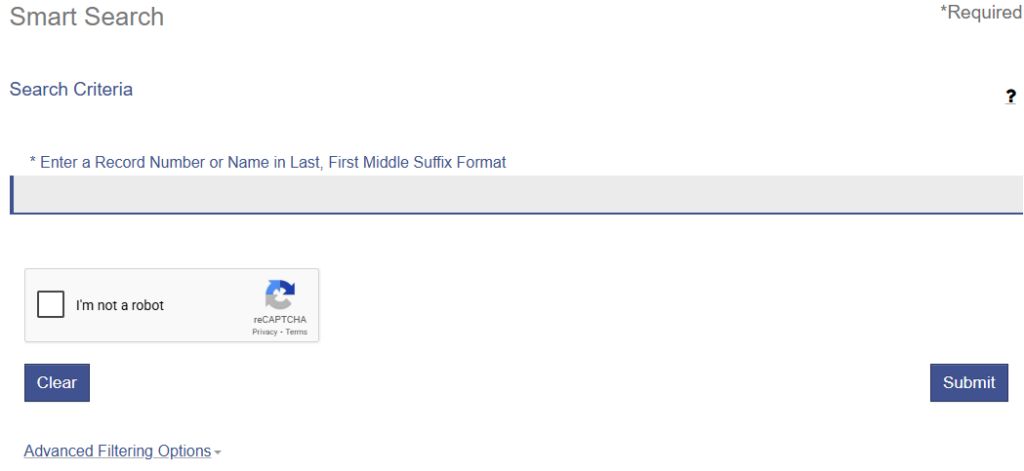
Searching records from the Santa Barbara Superior Court allows users to perform a santa barbara court case lookup through official online tools or clerk-assisted requests. These systems support court records search by providing public access to docket details, case status, and filings. Users can perform a superior court case search using identifiers such as case numbers or party names. The process is structured to help locate civil, criminal, family, and probate records through verified public record access channels. To begin, users should visit the official Santa Barbara Superior Court website and use the designated case search portal. The online system typically requires basic case details and presents matching results in a searchable format. If online records do not return results, users may contact the clerk’s office for assistance or visit a courthouse location with public access terminals. This combination of digital and in-person options supports a complete approach to finding court case information efficiently.
Two Main Ways to Search
- Online Case Records Search (Best for most users)
- Use the official online portal to search by case number or party name.
- Clerk’s Office (In Person or By Request)
- If online search doesn’t show what you need (especially for older or restricted records), visit the clerk’s office at a courthouse. Public access terminals are available in court lobbies.
Steps to Search a Case Online
Follow these exact steps for a superior court case search:
- Open the Case Records Search Page Go to Official site: https://www.santabarbara.courts.ca.gov/online-services/case-records-search
- Find the Case Search Section:Look for links labeled “Case Records Search” or “Case Information.”
- Choose the Portal Type
- Civil Portal — for civil case lookups
- Public Portal — for family law or probate records not in the civil portal
- Enter Search Details
You can use:- Case number (most accurate)
- Full name of a party (plaintiff, defendant, petitioner, etc.)
- Filing date (optional but narrows results)
- Case type (civil, criminal, family, probate)
- Submit the Search: Click the search button after entering your details.
- Review Results
- Look through the list of matching cases
- Click on the correct case to see available details
- View or Print Records: Some documents may be viewable or downloadable. For official certified copies, you may need to request them from the clerk’s office.
Information Required for Searching
To make your search court records Santa Barbara accurate, gather this before searching:
- Case number — fastest way to find a case
- Full name of a party — helps when you don’t have a case number
- Filing date — optional but useful
- Case type — civil, criminal, family, probate, etc.
Court Divisions and Departments
The Santa Barbara Superior Court is organized into several court divisions and judicial departments that handle different categories of cases. These divisions help manage workload and allow the court to process civil criminal court Santa Barbara matters in an organized way. Each division focuses on a specific type of legal issue, ranging from disputes between individuals to criminal prosecutions and family-related filings. This structure supports efficient handling of superior court case types while maintaining clear procedures for filings, hearings, and rulings across departments.
Civil Division
The Civil Division handles non-criminal disputes between parties. These cases often involve claims related to contracts, property, personal injury, or business disagreements. It also includes small claims and unlimited civil cases, depending on the amount in dispute. The filing process generally includes submitting a complaint, serving the other party, and attending scheduled hearings. Evidence and arguments are presented before a judge, who issues a decision based on applicable law.
- Small claims cases involve lower monetary limits and simplified procedures without attorneys in most situations
- Unlimited civil cases involve higher-value disputes with formal filings and representation
Criminal Division
The Criminal Division manages cases involving violations of the law, including both misdemeanors and felonies. These matters follow a structured workflow within the judicial system. Criminal proceedings often begin with an arrest or citation, followed by arraignment, where charges are formally presented. In felony cases, preliminary hearings determine whether enough evidence exists to proceed to trial. If the case moves forward, it may include motions, plea discussions, trial, and sentencing.
- Misdemeanors involve less severe offenses and typically carry lighter penalties
- Felonies include more serious crimes with stricter legal consequences
Family Law Division
The Family Law Division focuses on legal matters involving domestic relationships. This includes a wide range of personal and sensitive issues that affect families and dependents. These cases often require documentation related to financial disclosures, parenting plans, and court hearings. Judges evaluate each situation based on California family law standards to reach decisions that address the needs of all parties involved.
Case types include:
- Divorce or legal separation
- Child custody and visitation arrangements
- Child and spousal support
- Domestic relations matters such as restraining orders
Probate Division
The Probate Division handles matters related to estates, wills, and long-term care arrangements. It ensures that a person’s assets are distributed according to legal documents or state law. Probate cases may involve appointing executors, reviewing estate inventories, and supervising the distribution of assets. The court also oversees disputes related to inheritance or fiduciary responsibilities.
- Estate administration after a person passes away
- Wills and trusts validation and enforcement
- Conservatorships for individuals who cannot manage personal or financial affairs
Traffic Division
The Traffic Division processes infractions and citations issued for violations such as speeding, parking violations, and other minor offenses. These cases are typically less complex but still follow formal procedures. The division operates under the traffic court system and provides options for resolving tickets without a full trial, including traffic school eligibility in some cases. This helps reduce court congestion while offering resolution paths for minor violations.
Users can:
- Pay traffic tickets online, by mail, or in person
- Contest citations by requesting a court hearing
- Attend scheduled appearances if disputing the violation
Jurisdiction and Judicial Structure
The Santa Barbara Superior Court operates within defined jurisdiction and judicial structure that determines what cases it can hear and how it functions. Its authority covers specific geographic areas and case types, forming part of the broader California judicial system. The court handles trial-level matters under santa barbara court jurisdiction, including civil, criminal, family, probate, and traffic cases. This structure ensures cases are processed within proper legal boundaries while maintaining organized roles among court personnel and departments. It also supports consistent procedures across hearings, filings, and record management. Clear jurisdiction rules help prevent overlap with other courts and maintain order in case handling across the county.
Overview of Jurisdiction
The court’s jurisdiction defines both where it has authority and what types of cases it can handle under superior court santa barbara ca authority. Within this authority, the court hears civil cases, criminal cases, family law matters, probate cases, and traffic violations. Each case type follows established procedures, from filing through resolution. The court serves as the primary trial-level authority for disputes arising within its jurisdiction, ensuring consistent application of California law across all covered matters. It also provides a structured environment for hearings, motions, and evidence presentation. This helps maintain fairness and uniformity in judicial outcomes across different case categories. This includes:
- Geographic jurisdiction limited to Santa Barbara County
- Subject matter jurisdiction covering specific categories of law
Geographic Jurisdiction
The geographic jurisdiction of the Santa Barbara Superior Court is limited to Santa Barbara County. This means the court has authority over all legal matters that originate within the county boundaries. All residents, businesses, and entities located within these regions fall under the court’s jurisdiction for applicable cases. Cases filed outside this county are handled by the appropriate court in the relevant jurisdiction. This geographic boundary ensures that local disputes are addressed within the correct legal venue. It also helps distribute caseloads among counties and maintains proper administration of justice at the local level.
This coverage includes all cities and communities such as:
- Santa Barbara
- Santa Maria
- Lompoc
- Goleta
- Carpinteria
- Surrounding unincorporated areas
Subject Matter Jurisdiction
Subject matter jurisdiction determines the categories of cases the court is legally allowed to hear. The Santa Barbara Superior Court focuses on trial-level proceedings across multiple legal areas. Each category follows specific rules, forms, and procedures. This division of case types allows the court to manage different legal domains efficiently while maintaining consistency in rulings and documentation. It also helps assign cases to the appropriate departments within the court. As a result, cases are processed by personnel familiar with the relevant legal standards and procedures.
This includes:
- Civil disputes involving contracts, property, or damages
- Criminal prosecutions involving misdemeanors and felonies
- Family law matters such as divorce and custody
- Probate cases involving estates, wills, and trusts
- Traffic violations and infractions
Limits of Jurisdiction
The Santa Barbara Superior Court does not have authority over all legal matters. Certain cases fall outside its jurisdiction and are handled by other courts. In addition, some cases may be restricted due to confidentiality rules or legal protections, such as juvenile records or sealed proceedings. These limits help define the scope of authority for trial courts and maintain proper case distribution across the judicial system. They also ensure that each case is heard in the correct forum based on legal requirements. This separation supports efficiency and clarity in how cases move through the court structure.
- Federal cases involving U.S. laws or constitutional issues
- Appellate matters that review decisions from trial courts
- Cases from other counties outside Santa Barbara County
- Specialized matters assigned to higher or different court systems
Judicial Roles and Court Personnel
These roles work together to ensure hearings run smoothly, records remain accurate, and procedures follow established legal standards within the court system. Each role contributes to the overall efficiency and integrity of court operations. Their coordination helps maintain order in the courtroom and supports timely processing of cases and documentation. The court operates with several key personnel who support daily functions and case processing:
- Judges: Preside over hearings and trials, evaluate evidence, and issue rulings and judgments
- Clerk of Court: Manages filings, maintains official records, and handles case documentation
- Court Reporters: Record verbatim transcripts of court proceedings for legal reference
- Bailiffs and Court Staff: Maintain courtroom security, manage schedules, and assist with courtroom operations
Court Case Process, Fees, Filing Requirements, and Procedures
The Santa Barbara Superior Court follows a structured court case process in Santa Barbara Superior Court that guides how cases move from filing to final judgment. This includes multiple stages such as initiation of proceedings, hearings, evidence review, and possible appeals. Users involved in superior court cases must also follow specific filing requirements, pay applicable court fees, and comply with procedural rules. Understanding how cases proceed in superior courts helps individuals prepare documents, meet deadlines, and follow proper steps throughout the litigation process. It also helps reduce delays by ensuring submissions meet court standards and procedural expectations.
How Cases Move Through the Court System
The case flow in Santa Barbara Superior Court follows a series of steps that vary depending on the type of case, such as civil, criminal, or family matters. This structured workflow ensures that how cases proceed in superior courts remains organized, transparent, and consistent across different case categories. The general litigation process includes:
- Case Filing and Initiation
A case begins when a complaint, petition, or citation is submitted to the court. This officially starts the legal proceedings. - Initial Hearings / Arraignment (Criminal Cases)
In criminal matters, the defendant is informed of charges during arraignment and may enter a plea. - Motions and Discovery Phase
Both parties exchange information, gather evidence, and file motions to resolve procedural issues before trial. - Trial Process and Evidence Presentation
The court hears arguments, reviews evidence, and listens to witnesses before reaching a decision. - Final Judgment and Possible Appeals
The judge or jury issues a ruling. If a party disagrees, they may file an appeal to a higher court.
| Stage | Description | Purpose |
|---|---|---|
| Filing | Submission of complaint or petition | Starts the legal case |
| Arraignment / Initial Hearing | Charges or claims presented | Establishes positions of parties |
| Discovery | Exchange of evidence and motions | Prepares both sides for trial |
| Trial | Presentation of evidence and arguments | Determines outcome |
| Judgment | Final decision by judge or jury | Resolves the dispute |
| Appeal (if applicable) | Review by higher court | Checks legal correctness |
Fees and Filing Requirements
Filing a case in Santa Barbara Superior Court involves certain court fees and documentation requirements that vary based on case type. Civil cases often require filing fees at the time of submission, while family law and probate matters may have different fee structures. Fee amounts depend on the nature of the case, complexity, and filing type. For example, civil filings may have higher fees than traffic infractions, while certain family law filings may include additional costs for motions or requests.
- Completed court forms specific to the case type
- Payment of applicable filing fees
- Proper service of documents to involved parties
- Supporting documents such as identification, declarations, or financial disclosures
| Requirement | Description | Applies To |
|---|---|---|
| Court Forms | Official documents required for filing | All case types |
| Filing Fees | Payment required to submit a case | Most filings |
| Proof of Service | Evidence that documents were delivered to parties | Civil, family |
| Supporting Documents | Financial records, declarations, IDs | Case-specific |
Payment Methods
The court provides several payment options to accommodate different filing and service needs. Processing timelines may vary depending on the payment method used. Online payments are usually processed faster, while mailed payments may take additional time to reflect in the system. Users should allow sufficient time for confirmation when submitting filings tied to payment. Accepted methods typically include:
- Online payments through the court’s official system (when available)
- In-person payments at the clerk’s office
- Mail-in payments for certain requests or filings
Accepted forms of payment may include:
- Credit or debit cards (where supported)
- Checks or money orders payable to the court
- Cash (in-person only, where permitted)
Fee Waivers
Fee waivers are available for individuals who cannot afford court costs. The eligibility criteria typically depend on income level, public assistance status, or financial hardship. Fee waivers may cover filing fees, court reporter fees, or other related costs depending on approval. In some cases, partial fee reductions may apply if full waiver eligibility is not met. This process helps ensure access to the legal system regardless of financial situation.
To apply for a fee waiver:
- Complete the required fee waiver application forms
- Provide proof of income or benefits if requested
- Submit the application to the court for review
- Wait for approval or denial by a judge or authorized court officer
| Criteria | Description | Outcome |
|---|---|---|
| Income Level | Must meet low-income threshold | Eligible for waiver |
| Public Assistance | Receiving government benefits | Automatically qualifies in many cases |
| Application Form | Required documentation submission | Initiates review process |
| Court Review | Judge or officer evaluates request | Approval or denial |
| Fee Coverage | May include filing and related fees | Full or partial relief |
Location and Contact Information
The Santa Barbara Superior Court operates multiple courthouse locations across Santa Barbara County. Below are the main courthouse facilities with their addresses: These locations serve different regions within the county to ensure convenient access to judicial services for residents. Each courthouse handles specific case types, including civil, criminal, family law, probate, and traffic matters. Users may need to visit a particular location depending on the nature of their case or filing requirements. It is recommended to verify the correct courthouse before visiting to avoid delays or misdirection.
Main Superor Court Location
Superior Court Of California County Of Santa Barbara
Address: 1100 Anacapa St, Santa Barbara, CA 93101, USA
Phone: +1 (805) 882-4520
Website: http://www.sbcourts.org/
Hours: Typically Monday–Friday, about 8:00 am–4:00 pm
Frequently Asked Questions
The FAQ section provides quick answers to the most common queries related to the Santa Barbara Superior Court. It is designed to help users understand case handling, record accessibility, jurisdiction, and court procedures without needing to navigate complex legal documentation. These answers reflect general public information and are intended for informational purposes only. Users can rely on this section to get clarity on basic court operations, case lookup methods, and how the court system functions within the broader California judicial hierarchy. It also helps reduce confusion by summarizing key topics in a simple question-and-answer format. Users are encouraged to verify details through official channels for the most accurate and updated information.
What cases does Santa Barbara Superior Court handle?
The Santa Barbara Superior Court handles a wide variety of case types including civil disputes, criminal prosecutions, family law matters, probate proceedings, and traffic violations. These are all considered trial-level cases within the California judicial system. The court is responsible for hearing evidence, conducting trials, issuing rulings, and managing case outcomes. Its jurisdiction ensures that all local legal matters within Santa Barbara County are processed efficiently through the appropriate divisions and departments. Each case is assigned based on its category and legal requirements. This structured approach helps maintain consistency and order across different types of proceedings.
How do I search for a case?
Case searches for the Santa Barbara Superior Court can typically be performed using the court’s online case access system or by visiting the courthouse clerk’s office. Users may need identifying details such as a case number, party name, or filing date to locate records. Online tools provide convenience for preliminary searches, while in-person requests may be necessary for detailed or certified documents depending on availability and record access policies. In some cases, access may require registration or agreement to usage terms. It is recommended to double-check spelling and case details to improve search accuracy and results.
Is court record information public?
In general, court records from the Santa Barbara Superior Court are considered public records under California law. This means that many case details, filings, and proceedings can be accessed by the public. However, certain records remain confidential, including juvenile cases, sealed documents, and sensitive family law matters. Access restrictions are applied to protect privacy and comply with legal requirements, ensuring that only authorized individuals can view restricted case information. Some records may also require formal requests or approvals for viewing. Availability can vary depending on the nature and status of the case file.
What are the court divisions?
The Santa Barbara Superior Court is organized into multiple divisions, including civil, criminal, family law, probate, and traffic. Each division specializes in handling specific types of cases and follows its own procedures and workflows. This structured division allows the court to efficiently manage different legal matters while ensuring cases are assigned to judges and departments with the appropriate expertise and jurisdictional authority. Each division may operate from different courthouse locations within the county. This organization helps streamline operations and improve case processing efficiency across the system.
How does the jurisdiction work?
The jurisdiction of the Santa Barbara Superior Court is limited geographically to Santa Barbara County and subject-wise to trial-level matters such as civil, criminal, family, probate, and traffic cases. Cases typically begin at the Superior Court level and may proceed through hearings and trials. If a party appeals a decision, the case can move upward to appellate courts and potentially the California Supreme Court, which represents the highest level in the judicial hierarchy. This progression ensures that legal decisions can be reviewed for fairness and correctness. The layered structure maintains balance between trial courts and higher courts in the judicial system.