Santa Barbara Small Claims Court provides a simplified legal setting for resolving minor civil disputes without the need for attorneys. It focuses on helping people settle issues such as unpaid debts, property damage, or contract disagreements through a clear and structured process. Cases are typically handled in a straightforward hearing before a judge, which supports efficient dispute resolution. This system is designed for everyday legal claims where the amount in question is limited. By reducing formal procedures, the court allows parties to present their side directly, making it more accessible for individuals seeking fair outcomes in minor civil disputes.
This process operates under the authority of Santa Barbara County Superior Court, which oversees case filings, scheduling, and hearings in the region. People often choose small claims court because it offers a practical path for resolving legal claims with lower costs and less complexity compared to higher courts. It also encourages quicker resolutions, which helps parties move forward without long delays. In addition, the informal nature of proceedings supports clear communication between both sides and the judge. As a result, small claims court remains a commonly used option for efficient and fair dispute resolution in minor civil cases.
What is Eligibility Criteria for Filing a Small Claims Case
Eligibility for small claims filing santa barbara depends on the type of claim, the amount involved, and who brings the case forward. The court focuses on minor civil disputes that meet defined legal claim requirements and fall within the allowed monetary limits set by California law. These limits apply per claim and determine whether a case qualifies for small claims court. Filing a small claim in Santa Barbara County Court usually involves disputes with clear financial value rather than complex legal questions. Proper documentation and accurate details help establish case eligibility and support a smoother review of the claim during court procedures.
Who Can File and Types of Eligible Disputes
Individuals, sole proprietors, partnerships, and certain businesses can file small claims cases in Santa Barbara. In most situations, attorneys cannot represent parties in the hearing, which keeps the process direct and informal. This structure allows each party to present facts and evidence without legal representation. Case eligibility also depends on the nature of the dispute and whether it involves monetary compensation within the allowed limits. These cases typically involve straightforward facts and clear financial claims, which align with small claims court procedures.
- Unpaid loans or outstanding debts
- Contract disagreements between parties
- Property damage from accidents or negligence
- Security deposit disputes between landlords and tenants
- Consumer issues related to services or goods
How to Search Small Claims Records or Case Information
To search case records in santa barbara small claims court, you need to use the official portal provided by Santa Barbara County Superior Court. The system does not place the search tool directly on the homepage, so users must go through the Online Services → Case Records Search path. This process is part of the official small claims process, allowing users to check case status, hearing dates, and docket details through a structured court records search system.
Steps to Search
Follow these steps carefully to complete your case lookup:
- Open the official website: https://www.santabarbara.courts.ca.gov/
- Go to Online Services: On the homepage, find the top menu and click “Online Services”
- Select Case Records Search: From the dropdown menu, click “Case Records Search”
- Accept the User Agreement
- A terms and conditions page will appear
- Click “Accept” to proceed into the system
- Choose Public Portal
- After accepting, you will see multiple access options
- Click “Public Portal” to continue
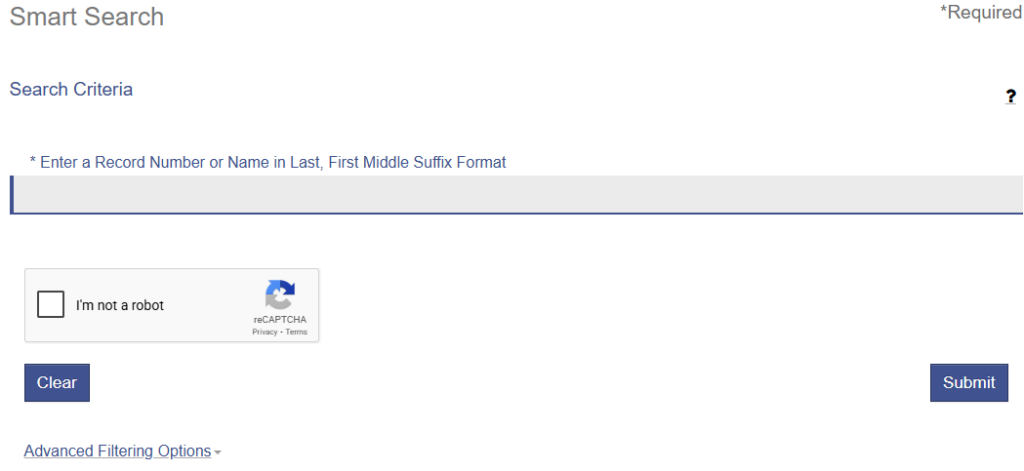
- Open Smart Search Tool
- Inside the portal, select “Smart Search”
- This is the main civil case search and hearing lookup tool
How to Use Smart Search
Once Smart Search opens, follow these steps:
- Enter Case Number: Type the full case number for exact results
- Or Search by Party Name: Enter first and last name (or business name)
- Apply Filters: Choose case type → Civil / Small Claims for better accuracy
- Click Search Button: The system will display matching cases
What You Will See in Results
After running the search, you can view:
- Case number and filing date
- Names of involved parties
- Case status (active, closed)
- Hearing dates and schedule
- Docket entries and updates
Required Documents for Filing a Small Claim
Proper claim filing depends on submitting complete and accurate legal documents that clearly explain the dispute. The court relies on these records to review facts, verify claims, and support fair decisions. Filing documentation should include proof of the issue, details about all parties involved, and any supporting evidence that strengthens the case. Organized paperwork helps the judge quickly understand the situation and reduces delays during the small claims process. Preparing documents in advance improves clarity and makes evidence submission more effective during the hearing. Clear labeling of exhibits and maintaining copies of all submissions can further support a smooth review. Users should also review filing requirements carefully to avoid rejection or processing delays.
Documents You Need for Claim Filing
When preparing for claim filing, several essential documents must be included to meet court requirements and establish a strong case. These materials act as proof and help confirm the validity of the claim. Accurate and complete filing documentation plays a major role in small claims cases. Clear records, well-organized evidence submission, and properly filled forms help the court review the case efficiently and support a smoother resolution process. Proper identification of parties, supporting invoices, contracts, or receipts can strengthen the submission. Reviewing all documents before filing helps reduce errors and prevents unnecessary delays in processing.
- Proof of Claim
This includes contracts, receipts, invoices, or written agreements that show a financial transaction or obligation. These documents provide a clear record of what happened and why payment or compensation is requested. - Identification Details of Parties
Accurate names, addresses, and contact details of both the plaintiff and defendant are required. Correct information helps the court notify all parties and process the case without errors. - Supporting Evidence
Photos, messages, emails, repair estimates, or witness statements can support your version of events. Strong supporting evidence improves the chances of a favorable outcome. - Completed Court Forms
Official small claims forms must be filled out correctly. These forms outline the claim amount, reason for filing, and relevant case details. Missing or incorrect information may delay the process.
Filing Fees and Cost Structure
The cost of legal claims in small claims court depends on the amount requested and the applicable court fees set by California law. The cost of filing a small claim is generally lower than higher civil courts, which makes this process accessible for resolving disputes. Filing cost varies in tiers based on claim value, and additional court charges may apply depending on the case. Being aware of all expenses before starting helps claimants plan better and avoid delays. Clear knowledge of fees supports smoother processing and helps complete claim filing without unexpected financial issues.
Fee Breakdown and Payment Methods
The total filing cost includes base fees, service charges, and possible waivers based on financial eligibility. These fees are structured to keep the process affordable while covering administrative court procedures. Understanding each category helps claimants manage expenses and meet all requirements. Fee schedules may vary depending on case type and filing method used by the court. Users should verify current fee details with official court sources before submitting any documents to avoid delays or additional costs.
- Standard Filing Fees depend on the claim amount and number of filings within a year
- Service and Processing Fees may apply for document delivery through sheriff or certified mail
- Fee Waiver is available for those who meet income eligibility requirements
- Payment Methods include online payments, in-person deposits, and mail submissions
| Claim Amount | Estimated Filing Fee |
|---|---|
| Up to $1,500 | $30 |
| $1,501–$5,000 | $50 |
| $5,001–$10,000 | $75 |
What Happens After the Small Claims Judgment
After a decision is issued in small claims court, the outcome determines how the civil disputes process moves forward. The judge may award money to one party, dismiss the claim, or split responsibility based on the facts presented. This stage marks the official case resolution, where both parties receive a clear decision. The court records the case outcome, which becomes legally binding. At this point, the winning party may begin steps for judgment enforcement if payment is required. Clear communication between both sides often helps resolve matters quickly without further legal action. The court calendar is often referenced to track related dates, hearings, or post-judgment activities. The judgment document includes details about the amount owed and deadlines for compliance. Both parties should review the decision carefully to understand their rights and responsibilities.
Collecting Payment and Post-Judgment Methods
Once the judgment is issued, the responsibility shifts to the losing party to comply with the order. In many cases, defendants pay voluntarily, which ends the dispute without further steps. If payment is delayed or refused, the winning party may begin legal collection efforts. These actions support effective judgment enforcement and help ensure the court’s decision is followed. Courts may provide instructions or forms to assist with enforcement procedures. Keeping records of all payments and communication can help avoid future disputes.
- Voluntary Payment
The defendant pays the awarded amount directly, completing the case resolution - Collection Actions
The plaintiff may request wage garnishment, bank levies, or liens if payment is not made - Appeal Rights
The losing party may file an appeal within the allowed timeframe for review of the case outcome - Further Court Orders
Additional steps may be taken to enforce compliance if the judgment remains unpaid
Serving the Defendant in Santa Barbara Small Claims Cases
Serving the defendant is a required step in small claims cases and forms a key part of court procedures. It ensures that the other party receives proper notice of the claim and has a fair chance to respond. This legal notification process is known as service of process, and it must follow strict rules set by the court. Without correct defendant service, the case may be delayed or dismissed. The goal is to confirm that the defendant is informed about the hearing date, claim details, and required actions before the court proceeds. Proper documentation of service is also required as proof that notice was delivered. This helps the court verify compliance with procedural requirements before moving forward with the case.
Methods and Requirements for Defendant Service
There are several approved methods for completing service of process, and each option must meet legal standards. Choosing the right method depends on the situation and the defendant’s availability. Following the correct steps helps avoid issues during the hearing and keeps the case on track. Deadlines for serving documents are important and must be followed carefully. In most cases, the defendant must receive notice several days before the hearing, depending on location and method used. Missing these deadlines may require rescheduling the hearing. After service is completed, the person who served the documents must fill out a Proof of Service form. This document confirms when, where, and how the defendant was served. It must be submitted to the court before the hearing date. Accurate records and timely submission help complete the legal notification process and support smooth case handling.
- Personal Service
A non-party adult, sheriff, or registered process server delivers documents directly to the defendant. This is the most reliable method and often preferred by the court. - Substituted Service
If the defendant is unavailable, documents may be left with a responsible adult at their home or workplace, followed by a mailed copy. - Service by Mail
The court clerk may send documents by certified mail. This option depends on successful delivery confirmation.
Location and Contact Information
The santa barbara small claims court operates under the authority of Santa Barbara County Superior Court and serves residents within its local jurisdiction. Knowing the correct court location and courthouse address is important for handling hearings, document submissions, and small claims filing santa barbara procedures. The main courthouse for small claims matters is located in downtown Santa Barbara, where the clerk office manages filings, case inquiries, and public assistance. This central location makes it easier for parties to attend hearings and complete required court steps without confusion.
Court Address and Contact Details
This location serves as the main clerk office for civil and small claims cases within the county. The court provides several ways to contact staff for help with filing procedures, case status, or general questions related to jurisdiction and court services. Visitors can access in-person support during business hours, while some services may be available online through the court’s official portal. Checking office hours in advance helps avoid delays and ensures timely assistance when visiting the courthouse.
- Address: 1100 Anacapa Street, Santa Barbara, CA 93101
- Phone: (805) 882-4520
- Office Hours: Monday to Friday, typically 8:00 AM to 3:00 PM (hours may vary)
- Services Available: Filing documents, case inquiries, payment processing, and hearing information
- Jurisdiction Coverage: Handles small claims cases within Santa Barbara County
Frequently Asked Questions
The small claims process in Santa Barbara helps resolve civil disputes through a simplified system with clear court procedures. Many people have common questions about timelines, claim limits, and claim filing steps before starting a case. This section answers key questions to support better dispute resolution and help parties prepare for each stage of the process. Clear answers reduce confusion and allow individuals and businesses to handle claims with confidence. Reviewing these details can help avoid mistakes and improve overall case preparation. It can save time and reduce stress during hearings. Being informed helps both parties present stronger cases.
How long does the small claims process take in Santa Barbara?
The timeline for the small claims process usually depends on court scheduling and case complexity. After claim filing, a hearing date is often set within a few weeks to a few months. Simpler cases may move faster, especially if both parties are prepared and present clear evidence. Delays may occur if documents are incomplete or if one party requests a rescheduling. Most cases are resolved on the hearing day, and the judge may issue a decision soon after or send it by mail. Some courts provide updates through online systems for easier tracking. Preparing documents early can help speed up the process.
What is the maximum amount I can claim?
In California small claims court, the maximum claim amount varies based on who is filing. Individuals can typically claim up to $10,000, while businesses often have a lower limit per case. These limits apply to ensure that the small claims process focuses on minor financial disputes. Filing above the allowed amount may require moving the case to a higher civil court. Checking the latest limits before claim filing helps ensure compliance with court procedures. Claim limits may change based on updated state rules. Reviewing official court information helps confirm accurate limits.
Do I need a lawyer for small claims court?
Lawyers are generally not allowed to represent parties during the small claims hearing. This rule keeps the process simple and supports direct communication between the parties and the judge. Individuals can present their own evidence, explain their situation, and respond to questions without legal representation. Some people may still seek legal advice before the hearing to prepare their case. This structure makes dispute resolution more accessible and reduces overall costs. It encourages fairness by allowing both sides equal opportunity to speak. Proper preparation can improve confidence during the hearing.
How do I file a small claim in Santa Barbara?
To begin claim filing, a person must complete the required court forms and submit them to the clerk office of the Santa Barbara County Superior Court. The forms include details about the dispute, the amount requested, and information about both parties. After filing, the claimant must arrange for proper service of documents to notify the other party. Once this step is complete, the court schedules a hearing date. Following each step carefully helps avoid delays and ensures proper case handling. Keeping copies of all documents is important for reference. Checking filing instructions reduces the risk of errors.
Can a business file a small claim?
Yes, businesses can file small claims cases if they meet eligibility rules and claim limits. Sole proprietors, partnerships, and certain companies may use the small claims process for resolving disputes such as unpaid invoices or contract issues. Businesses must follow the same court procedures as individuals, including accurate claim filing and proper documentation. In some cases, there may be limits on how many claims a business can file within a year. This option allows businesses to resolve minor disputes without complex legal processes. It helps reduce costs linked to formal litigation. Proper records can strengthen the business claim.